
Licensing/Collaboration Opportunity for Glaucoma Treatment
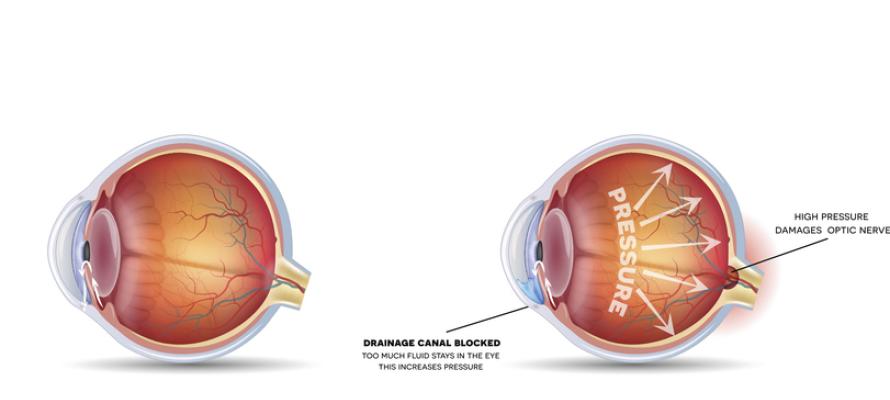
Glaucoma is one of the world’s leading causes of irreversible blindness, and currently, no therapies exist to directly protect retinal ganglion cells (RGC) from degradation and loss. NIH inventors have developed a method to treat glaucoma using exosomes derived from bone marrow-derived mesenchymal stem cells (BMSC). BMSC‐derived exosome administration for glaucoma may confer a significant neuroprotective effect for RGC and prevent vision loss.
This method has several advantages for clinical translation compared to potential whole-cell (stem cell) therapies for glaucoma, including:
- Isolation and purification of BMSC-derived exosomes is relatively simple via centrifugation,
- BMSC-derived exosomes are stable, and once isolated, can be stored at 4 °C for months to years, and
- Small size and stability make them easy to dose and deliver.
Significant therapeutic-neuroprotective effects for isolated BMSC-derived exosomes have been shown in in-vitro and in-vivo glaucoma models. BMSC‐derived exosomes are a promising cell‐free therapy for glaucoma and degenerative ocular diseases associated with loss of RGC.
The NIH National Eye Institute is seeking a licensee or collaboration partner for these potential commercial applications:
- Therapeutic to treat glaucoma
- Therapeutic to treat degenerative ocular diseases associated with loss of RGC
For further information or to contact the licensing manager, please view the abstract: Bone Marrow Mesenchymal Stem Cell (BMSC)-Derived Exosomes for the Treatment of Glaucoma